20 Air-Purifying Houseplants Safe for Dogs & Cats








Make the most of fall and the holiday season with our best décor ideas, recipes, gift ideas & more.
SEe What's Trending
Clean everything in your home from your clothes and sheets to your shower curtain, vents - even the inside of your washing machine - with simple short-cuts using all-natural cleaning products.
Available in paperback and
Kindle. editions.
Get the cleaning hacks book
Top Categories

Bring fresh, natural greenery into your home with 20 pet-safe air-purifying houseplants that clean indoor air without harming your dogs or cats.
There’s nothing quite like adding fresh, natural greenery to your home, especially when the plants you choose help clean your indoor air and are completely safe for your pets. These air‑purifying houseplants are non‑toxic to dogs and cats, easy to grow, and perfect for anyone who wants a healthier, more beautiful living space.
Even though these varieties are considered pet‑safe, it’s still important to remember that no houseplant is meant to be a snack. Curious nibbling can lead to mild stomach upset in some pets, so keeping plants out of reach, or offering cat grass as an alternative, is always a smart idea. “Pet‑safe” simply means these plants won’t cause severe poisoning or life‑threatening reactions the way toxic varieties can.
Whether you’re decorating a sunny windowsill, refreshing your bedroom, or creating a cozy corner in your living room, these pet‑friendly plants can help reduce indoor pollutants, boost humidity, and make your home feel more vibrant and inviting. Get ready to discover the best low‑maintenance plants that look gorgeous and help your home feel fresher every day.
These easy‑to‑grow air‑purifying houseplants are safe for dogs, cats, and kids, which makes them the perfect addition to any home.
Disclaimer: I’ve researched these plants carefully and selected varieties commonly considered non‑toxic for dogs and cats. However, every pet is different, and plant safety can vary based on individual sensitivities. Please double‑check any plant before bringing it home and monitor your pets around new greenery. I can’t be responsible for any reactions that may occur, so it’s always best to do your own research and choose what feels right for your household.
What Are Air‑Purifying Houseplants?
Air‑purifying houseplants are indoor plants known for their ability to help reduce common household pollutants like formaldehyde, benzene, and trichloroethylene, chemicals often found in cleaning products, paper goods, building materials, and everyday items.
According to the NASA Clean Air Study, many popular houseplants naturally absorb carbon dioxide and release oxygen while helping filter out airborne toxins. While no plant replaces proper ventilation, these varieties can support cleaner indoor air and a healthier home environment.
How Do Air‑Purifying Plants Work?
Plants improve indoor air quality in a few simple ways:
- Photosynthesis: Plants absorb carbon dioxide and release oxygen, helping refresh stale indoor air.
- Phytoremediation: Certain plants can help reduce airborne chemicals by absorbing them through their leaves.
- Humidity Boost: Many plants naturally release moisture, which can help reduce dry air, irritation, and dust.
Together, these benefits make air‑purifying plants a beautiful and functional addition to any home, especially if you live with pets and want safe, non‑toxic options.
Tips for Choosing Pet‑Safe Air‑Purifying Houseplants
Before you get started, here are a few simple tips to help you choose the best plants for your home:
- Look for non‑toxic varieties approved by the ASPCA.
- Keep plants out of reach if your pets like to chew on leaves.
- Choose plants that match your home’s light conditions (low light, bright indirect, full sun).
- Use pots with proper drainage to prevent root rot.
- Wipe leaves occasionally to help plants absorb more light and filter air more effectively.
- Group plants together to increase humidity and create a lush, natural look.
Everything You Need to Grow Air‑Purifying Houseplants at Home
Caring for air‑purifying houseplants is simple, and having a few basic tools makes it even easier. The right supplies help you water accurately, prevent over‑ or under‑watering, improve humidity, and keep your plants looking healthy year‑round.
Here are my favorite indoor plant care essentials you can use with any pet‑safe houseplant:
- Indoor Watering Can – Helps you water plants gently and precisely without splashing soil or overwatering.
- Moisture Meter (Best for Beginners) – Prevents overwatering by showing exactly when your plant’s soil is dry.
- Grow Light (Premium Pick) – Perfect for rooms with low natural light to keep plants thriving year‑round.
- Self-Watering Pots (Top Pick) – Self‑watering pots make plant care even easier by delivering consistent moisture and preventing overwatering, helping your air‑purifying plants grow stronger with less effort.
- Plant Mister (Best for Humidity‑Loving Plants) – Ideal for ferns, orchids, and tropical plants that need extra moisture.
- Aroid Potting Mix (Premium Pick) – A fast‑draining, chunky potting mix that keeps indoor plants healthy by preventing overwatering and improving root aeration. This soilless blend is cleaner than traditional potting soil, gnat‑resistant, and enriched with mycorrhizae for stronger, long‑lasting growth.
- Organic Liquid Fertilizer – A gentle, nutrient‑rich liquid fertilizer made from marine phytoplankton. It supports strong roots, vibrant foliage, and healthy growth in all indoor plants. Easy to use, organic, and beginner‑friendly, perfect for keeping air‑purifying houseplants thriving year‑round.
- Precision Pruning Shears – Helps you trim dead leaves and encourage fuller, healthier growth.
- Adjustable Plant Stand – A sturdy bamboo stand that lifts your plants for better airflow and gives them a clean, modern look. Adjustable to fit 8–12 inch pots, it’s perfect for creating a simple, stylish display in any room.
- Repotting Mat – A waterproof repotting mat keeps soil contained while you transplant or refresh your plants, making cleanup quick and mess‑free. It’s perfect for small spaces, apartments, and anyone who wants an easy, tidy way to repot indoor plants.
Toxic Houseplants to Avoid in Pet-Friendly Homes
While the plants in this guide are all non‑toxic, many common houseplants can be dangerous for dogs and cats. If you’re creating a pet‑safe indoor garden, avoid these popular but harmful varieties:
- Sago Palm — Extremely toxic; can cause liver failure.
- Peace Lily — Causes mouth irritation, drooling, and vomiting.
- Snake Plant — Can cause nausea and digestive upset.
- Aloe Vera — Safe for humans, toxic for pets.
- Pothos — Causes oral irritation and vomiting.
- Philodendron — Contains calcium oxalates; causes mouth pain and swelling.
- Dieffenbachia — Can cause severe oral irritation.
- ZZ Plant — Mildly toxic; causes stomach upset.
- Lilies — Extremely toxic to cats; even small exposure can be fatal.
Knowing which plants to avoid helps you keep your home safe and stress‑free for your pets. Now that you know what not to bring home, let’s explore the best pet‑friendly air‑purifying houseplants that add beauty, freshness, and natural comfort to your space.
Get the Cleaning Hacks book!
If you love keeping your home fresh, natural, and pet‑friendly, you’ll enjoy my book Cleaning Hacks: Your All‑Natural, Go‑To Solution for Spots, Stains, Scum, and More! It’s packed with over 350 simple, budget‑friendly cleaning tips that use safe, everyday ingredients you already have at home.
You’ll learn how to clean everything from your kitchen and laundry to your bathroom, appliances, outdoor gear, and more—all without harsh chemicals. These quick, practical shortcuts make cleaning easier, faster, and far more affordable.
If you’re looking for natural ways to care for your home, this guide is a perfect companion to your pet‑safe houseplants.
Get 350+ Natural Cleaning Hacks →

Low-Maintenance Air-Purifying Houseplants That Are Safe for Pets
Choosing the right plants makes it easy to create a healthier home without worrying about your pets. These low‑maintenance, air‑purifying houseplants are all non‑toxic to dogs and cats, and they’re simple to care for even if you’re new to indoor gardening.
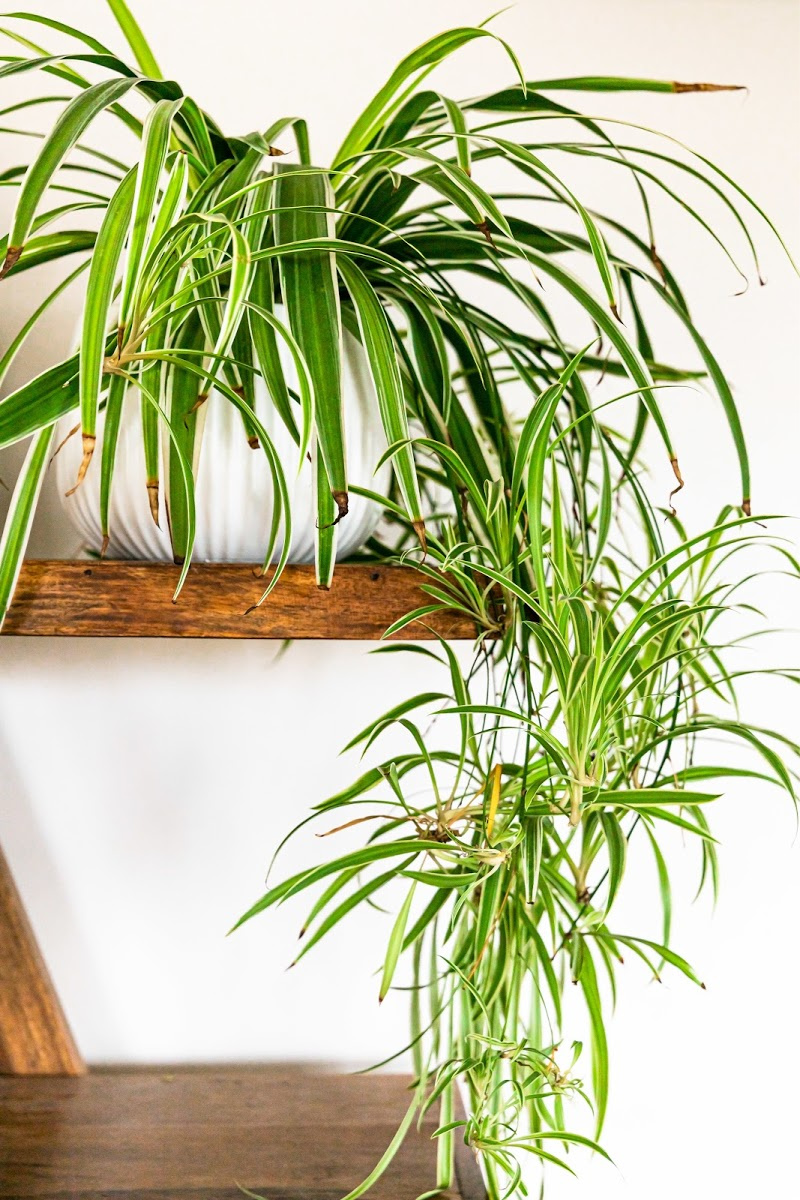
Spider Plant (Chlorophytum comosum)
The spider plant is one of the easiest, most forgiving houseplants you can grow, and it’s completely non‑toxic to dogs and cats, making it a top choice for pet‑friendly homes. It thrives in low to bright indirect light, grows quickly, and sends out long arching leaves that create a soft, cascading look. As your plant matures, it produces baby “spiderettes” you can snip off and root in water or soil to grow new plants, giving you endless greenery from a single pot.
Spider plants are excellent natural air purifiers, helping reduce indoor pollutants while adding fresh, vibrant life to any room. Because the leaves tend to drape over the pot, they can be tempting to curious cats, so consider placing yours on a shelf or plant stand if your pets like to nibble.
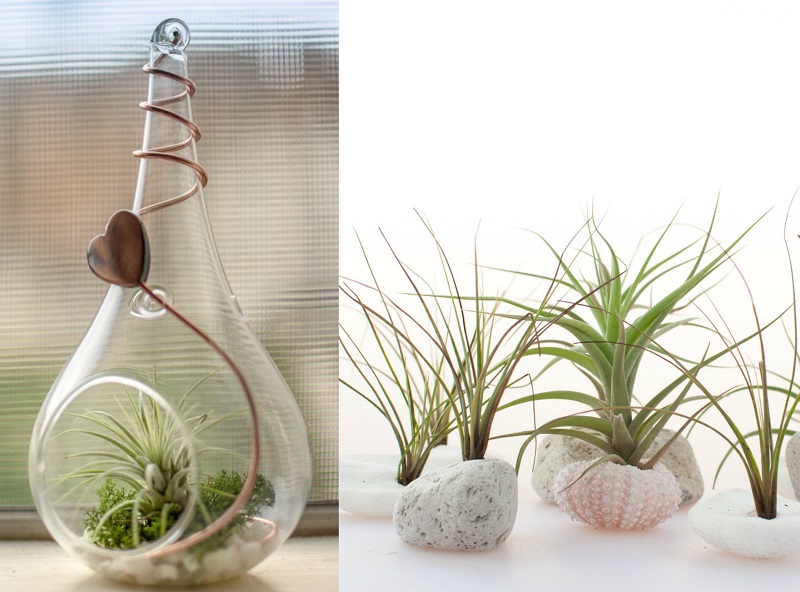
Tillandsia (Air Plants)
Commonly known as air plants, tillandsia are one of the easiest pet‑safe houseplants you can bring into your home. These non‑toxic plants don’t require soil to grow, which makes them incredibly versatile. You can tuck them into wall planters, display them on shelves, nestle them into decorative bowls, or hang them in bright, airy spots throughout your home. Their sculptural shapes and soft, silvery leaves add a modern, natural touch to any room.
Air plants thrive on bright, indirect light and only need a quick soak or misting every week or so, making them perfect for beginners or anyone who wants greenery without the fuss.
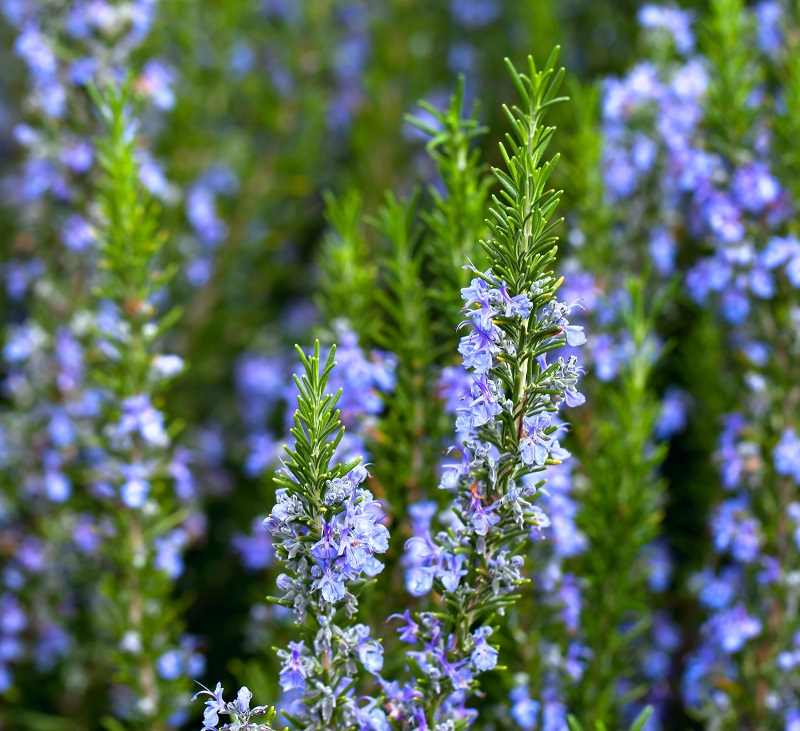
Rosemary (Salvia rosmarinus)
Rosemary is a fragrant evergreen herb that adds beauty, freshness, and a touch of culinary charm to your home. It is completely non‑toxic to dogs and cats, which makes it a great choice for pet‑friendly spaces. The plant has deep green needle‑like leaves and small blue‑purple flowers that brighten any sunny windowsill.
Rosemary grows best in full sun for six to eight hours a day and prefers to stay on the drier side. It is sensitive to overwatering, so allow the soil to dry slightly between waterings. With the right light and a careful watering routine, rosemary can thrive indoors and provide both visual appeal and fresh herbs for cooking.
If you enjoy using fresh herbs in your meals, consider growing other pet‑safe culinary plants as well. Oregano, parsley, cilantro, dill, thyme, and basil are all non‑toxic options that grow well indoors and pair beautifully with rosemary.
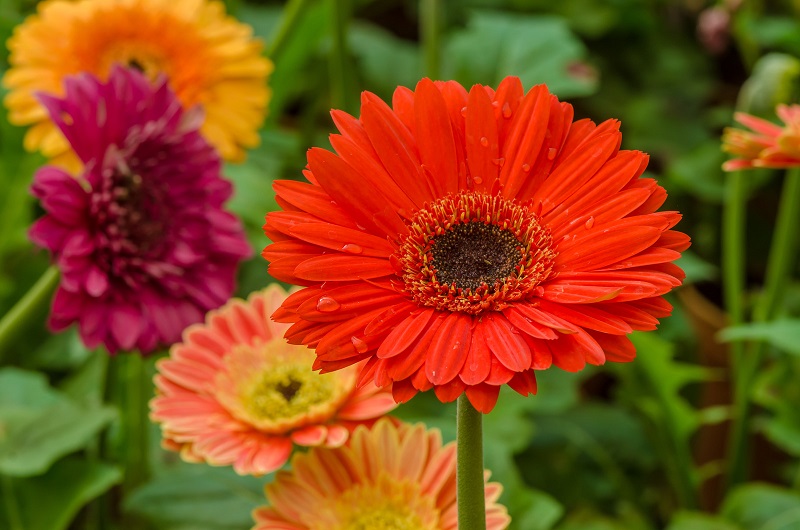
Gerbera Daisy (Gerbera jamesonii)
Gerbera daisies are bright, cheerful flowering plants that add instant color to any room. You’ve probably seen them at your local garden center, and they make a great indoor option as long as you can give them enough light. These plants prefer bright, indirect light and will reward you with bold blooms in shades of pink, orange, yellow, and red.
Gerbera daisies are non‑toxic to dogs and cats, which makes them a safe choice for pet‑friendly homes. They are fairly easy to grow indoors once you meet their light needs, and their large, vibrant flowers make them a beautiful way to bring more color into your space.
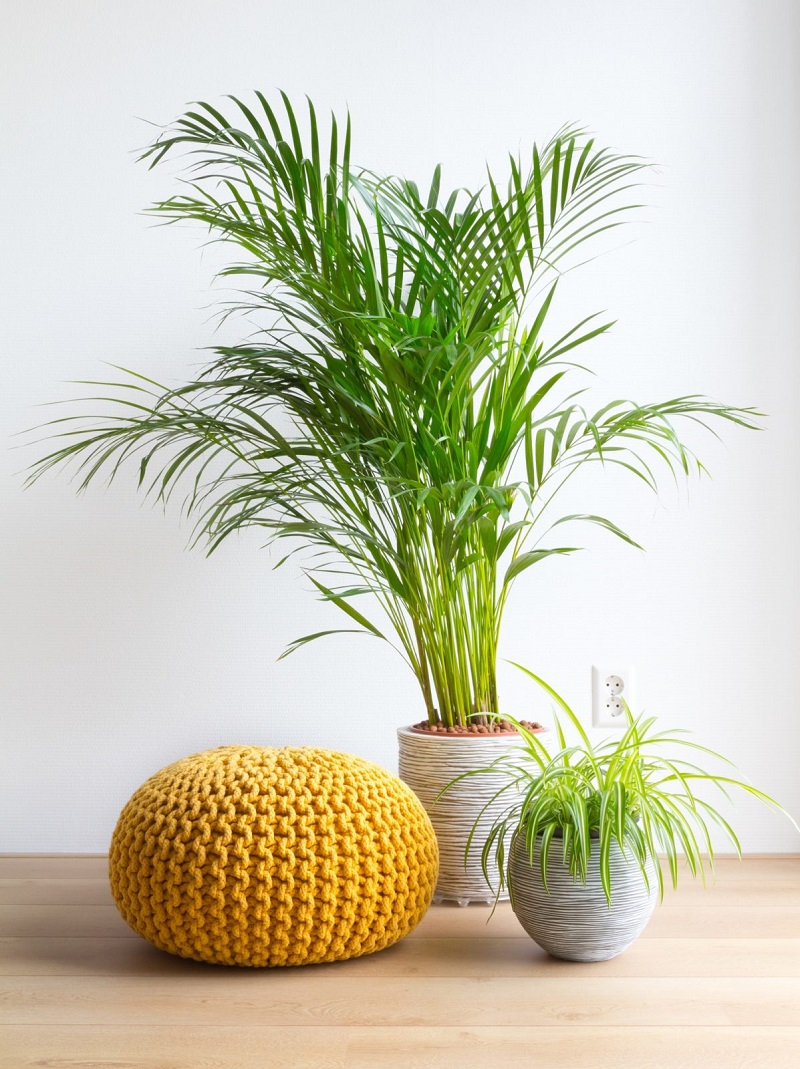
Palms (Various Species)
True palms are excellent low‑maintenance houseplants that are completely non‑toxic to dogs and cats. They grow well in low to medium light, which makes them easy to care for indoors. Their tall, graceful fronds add a soft, tropical feel to any room and work well in living spaces, bedrooms, and entryways.
Pet‑safe palm varieties include areca, bamboo, ponytail, and parlor palms. These plants are sturdy, adaptable, and forgiving, which makes them a great choice for beginners or anyone who wants greenery that doesn’t require constant attention.
It is important to note that sago palms are toxic to pets and should never be kept in pet‑friendly homes. Even though “palm” is in the name, the sago palm is not a true palm, and every part of the plant can be dangerous if ingested.
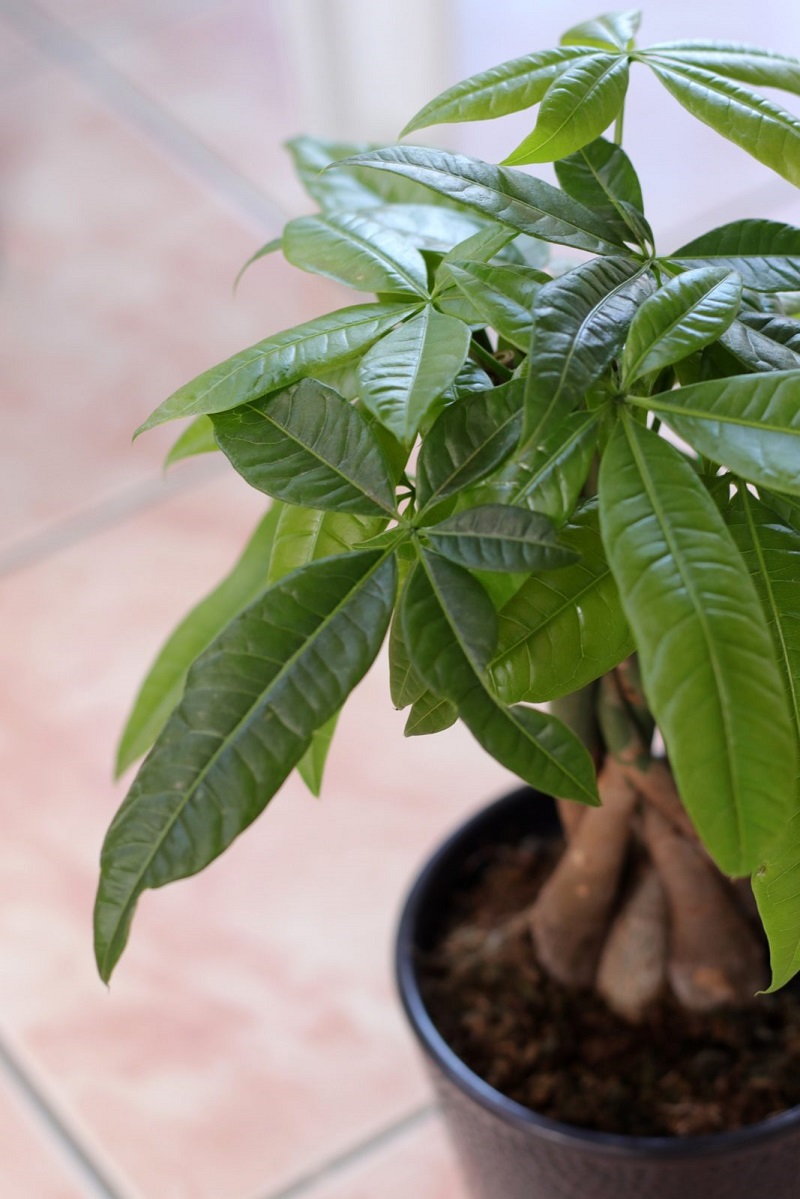
Money Plant (Pachira aquatica)
The money tree is a popular pet‑safe houseplant that brings fresh greenery and a little personality to any room. It is non‑toxic to dogs and cats, which makes it a safe choice for pet‑friendly homes. The plant’s bright green leaves and distinctive braided trunk create a clean, sculptural look that works well in living rooms, bedrooms, and home offices.
Many people choose the money tree for its air‑purifying qualities. It is especially helpful for anyone with asthma or lung sensitivity, and it can be a good option for people who live in smoggy or polluted areas. The plant grows best in bright, indirect light and prefers moderate watering, so it is easy to care for once you establish a simple routine.
The money tree is also known for its symbolism. It is often associated with luck, prosperity, and positive energy, which makes it a thoughtful gift and a meaningful addition to your home decor.
African Violets (Saintpaulia)
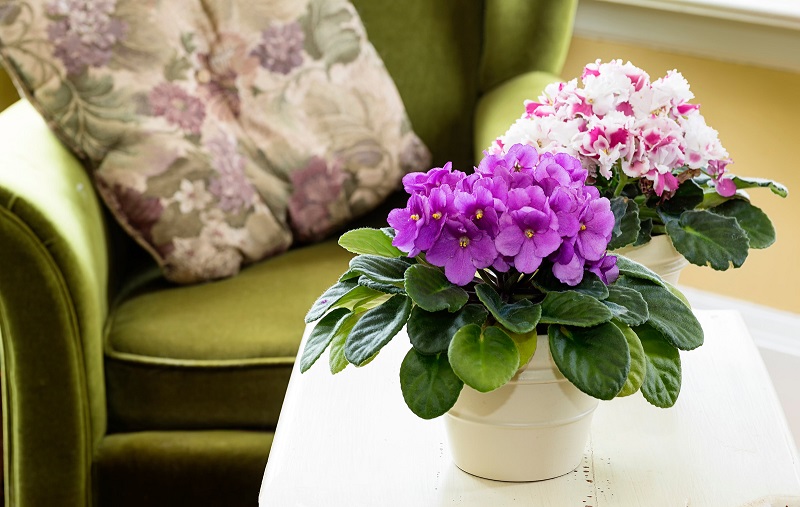
African violets are a beautiful way to add soft color to your home. Their deep green leaves and velvety purple blooms make them a favorite for indoor gardeners, and they are completely non‑toxic to dogs and cats. If you want a plant that feels cheerful and decorative without being high‑maintenance, this one is a great choice.
African violets grow well in bright, indirect light. A sunny windowsill is ideal, and with the right light and consistent watering, they can bloom throughout the year. Their compact size also makes them perfect for desks, shelves, and small spaces where you want a pop of natural color.
Boston Fern (Nephrolepis exaltata)
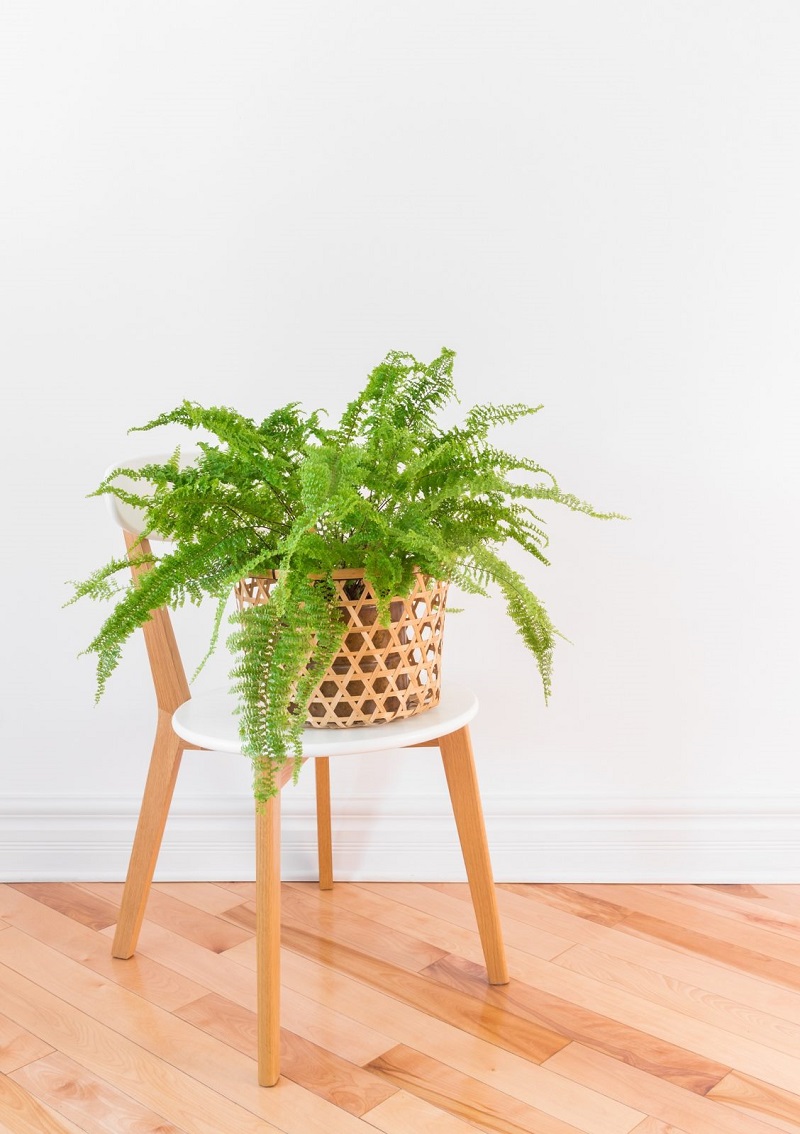
Boston ferns are one of the best pet‑safe plants for improving indoor air quality. They help filter common household pollutants and also act as natural humidifiers, which makes them especially helpful during the dry winter months. Their soft, arching fronds add a lush, calming look to any room and work well in living spaces, bedrooms, and bathrooms.
Boston ferns grow best in bright, indirect light and appreciate consistent moisture. They prefer slightly humid environments, so they often thrive near a kitchen window, in a bathroom with good light, or in any spot where the air isn’t too dry. With regular watering and a little attention to humidity, they can stay full and vibrant year‑round.
Staghorn Fern (Platycerium bifurcatum)
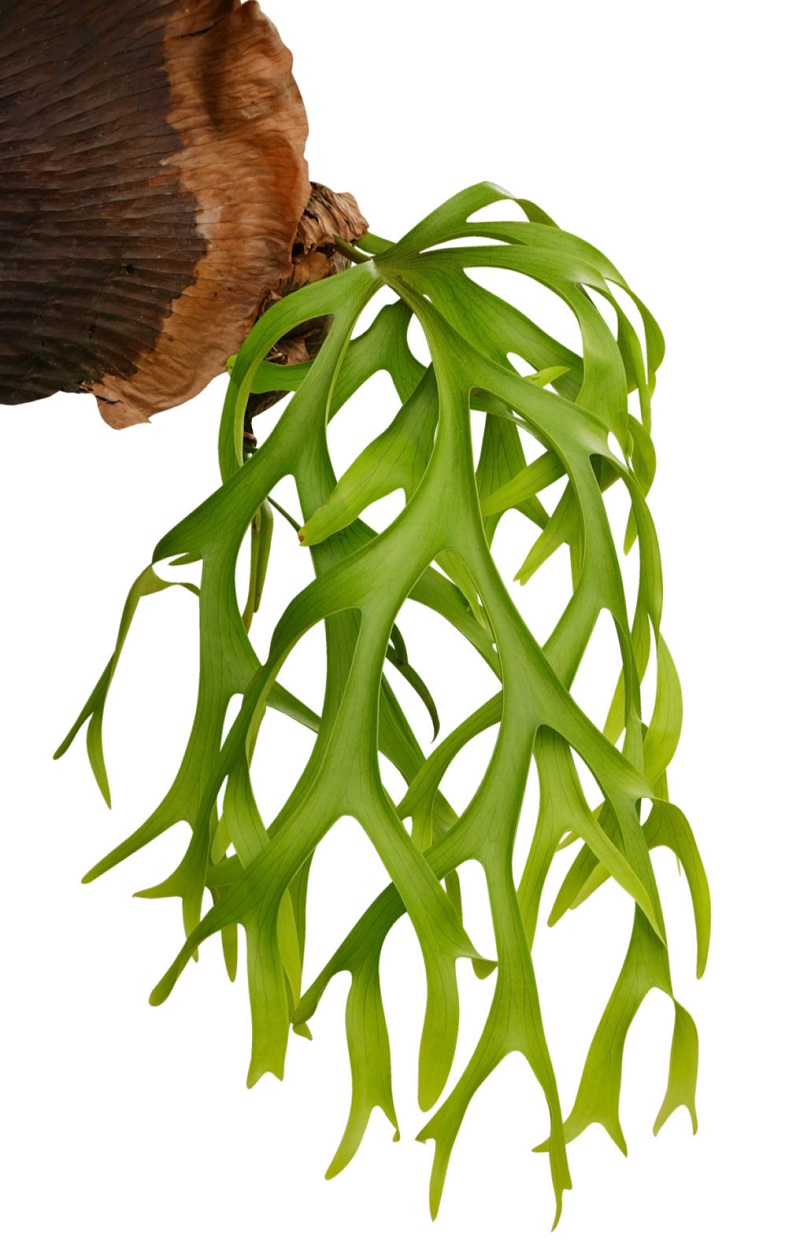
Staghorn ferns are one of the most interesting pet‑safe plants you can bring into your home. They grow two types of leaves: rounded shield leaves at the base and longer fronds that eventually take on the shape of deer antlers. Young plants, like the Netherlands Elkhorn variety, often start with smaller, simpler fronds before developing the dramatic antler shape as they mature.
This fern is commonly displayed in hanging baskets or mounted on boards, which lets the fronds drape naturally as the plant grows. It prefers bright, indirect light and appreciates a bit of humidity, so it often does well in kitchens or bathrooms with good natural light. With occasional misting and careful watering, a staghorn fern can thrive indoors and add a sculptural, organic touch to your home.
Maidenhair Fern (Adiantum spp.)
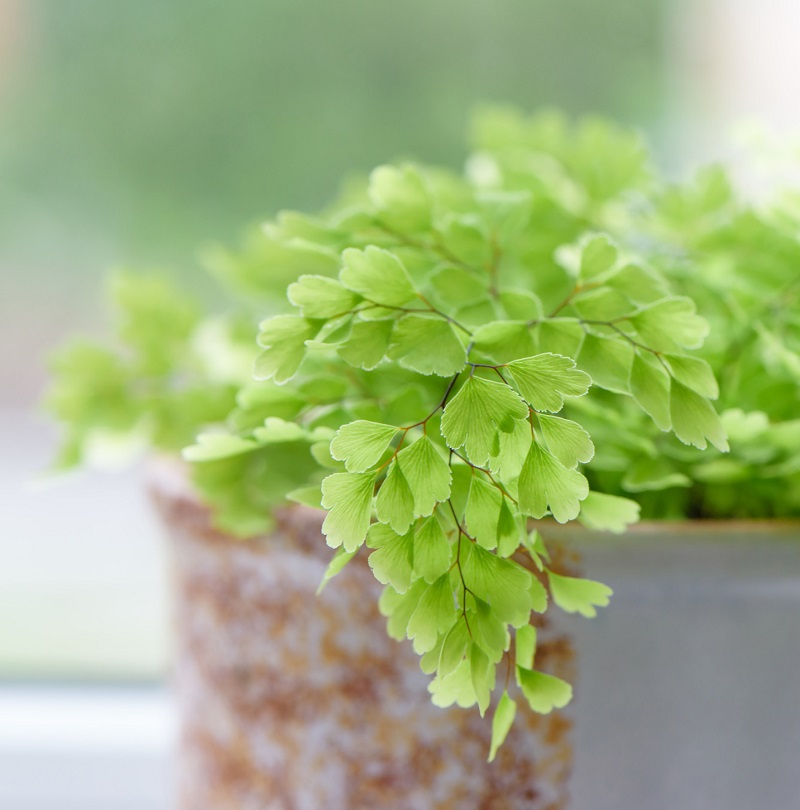
Maidenhair ferns have soft, feather‑like leaves that add a delicate, airy look to your indoor space. Their fine texture and gentle movement make them a beautiful choice for anyone who wants a plant that feels light, elegant, and a little bit whimsical.
Maidenhair ferns are known for one main care requirement: consistent moisture. They should be kept evenly moist at all times, not over‑watered but never allowed to dry out. Once you learn this simple trick, they are surprisingly easy to care for. They grow well in bright, indirect light and appreciate a bit of humidity, which makes them a great choice for kitchens or bathrooms with natural light.
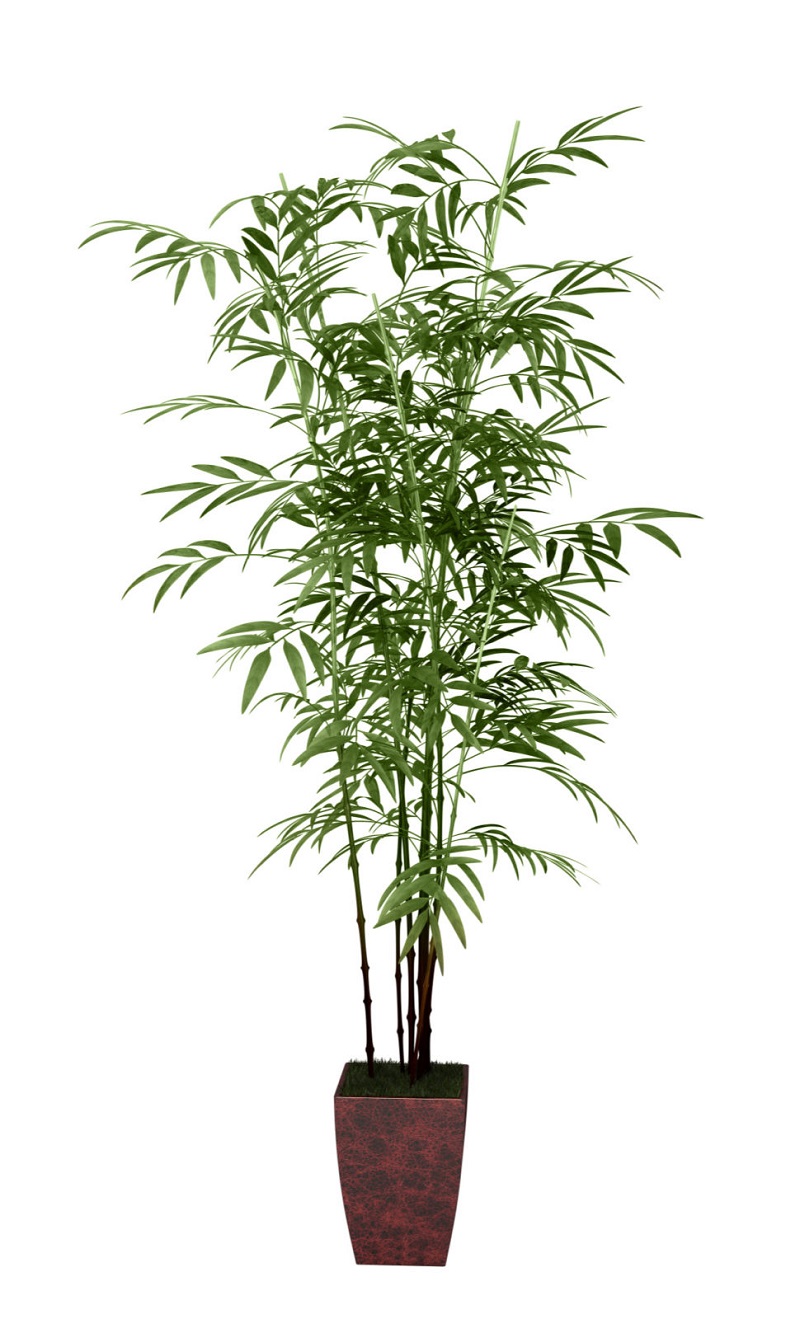
Bamboo (Various Species)
Potted bamboo is an easy, pet‑safe plant that brings a clean, tropical feel to any home. It grows only as large as the pot allows, which makes it a great choice if you want height and greenery without worrying about it taking over your space. Its upright canes and soft leaves add a fresh, natural look that works well in living rooms, bedrooms, and bright entryways.
Bamboo grows best in bright, indirect light and prefers evenly moist soil. Once you establish a simple watering routine, it becomes a low‑maintenance plant that stays lush and vibrant year‑round. Because bamboo is non‑toxic to dogs and cats, it is a safe option for pet‑friendly households that want a tall, elegant plant without any risk.
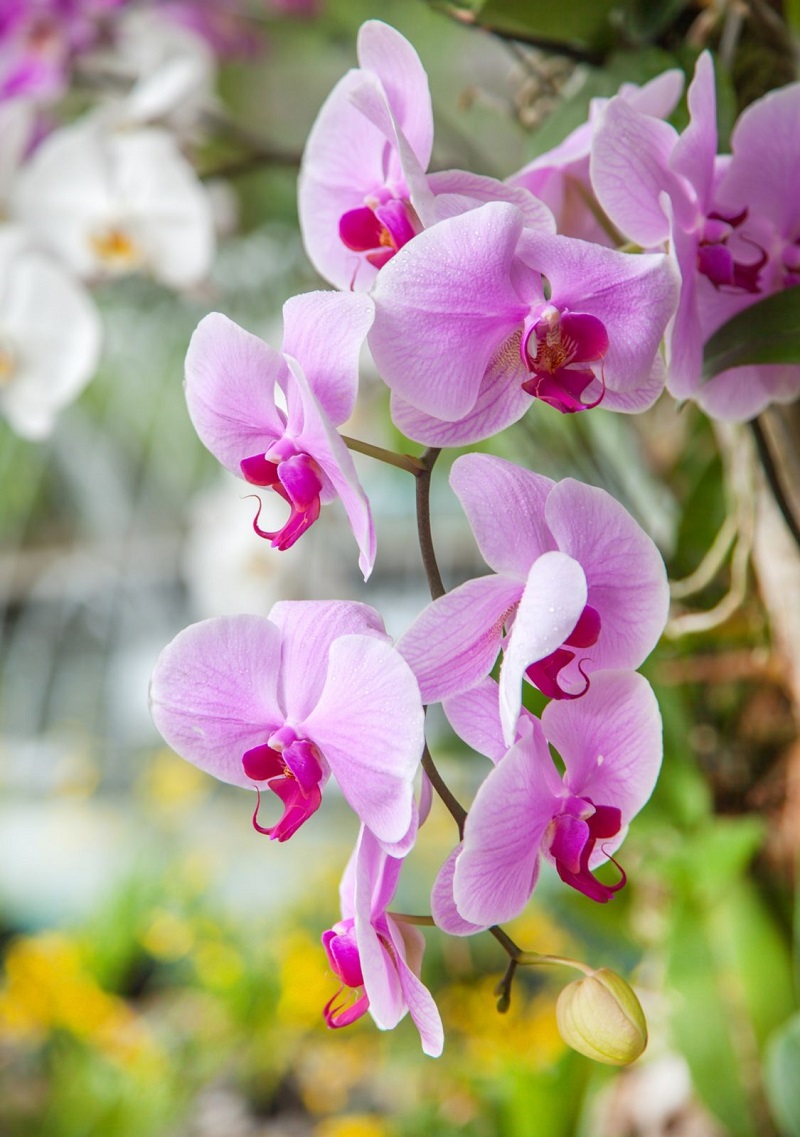
Orchids (Various Species)
Orchids may require a little more maintenance than some of the other plants on this list, but their colorful, delicate blooms make the extra care completely worth it. These elegant flowers come in a wide range of shapes and colors, and they can brighten any room with their soft, graceful appearance.
Orchids grow best in bright, indirect light and prefer a gentle watering routine. Once you learn their rhythm, they can bloom for months at a time and become one of the most rewarding plants in your home. They are also well known for helping to purify indoor air, especially paint fumes, which makes them an excellent housewarming gift.
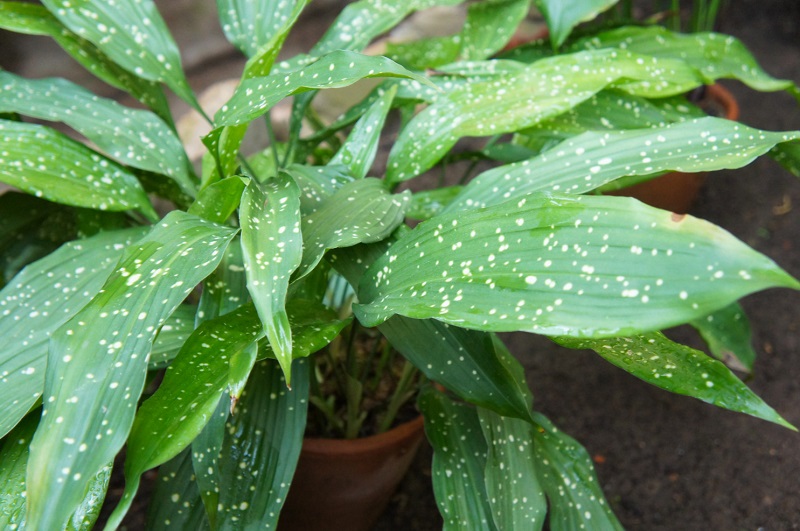
Cast Iron Plant (Aspidistra elatior)
The cast iron plant is exactly what its name suggests: incredibly tough. It is one of the most durable pet‑safe houseplants you can grow, which makes it an ideal choice for anyone who struggles to keep plants alive. Its deep green leaves create a simple, classic look that works well in almost any room.
This plant tolerates low light, inconsistent watering, and a wide range of indoor conditions. It grows slowly but steadily, and once it settles in, it becomes a long‑lasting, low‑maintenance part of your home. If you want a plant that can handle neglect and still look good, the cast iron plant is a perfect fit.
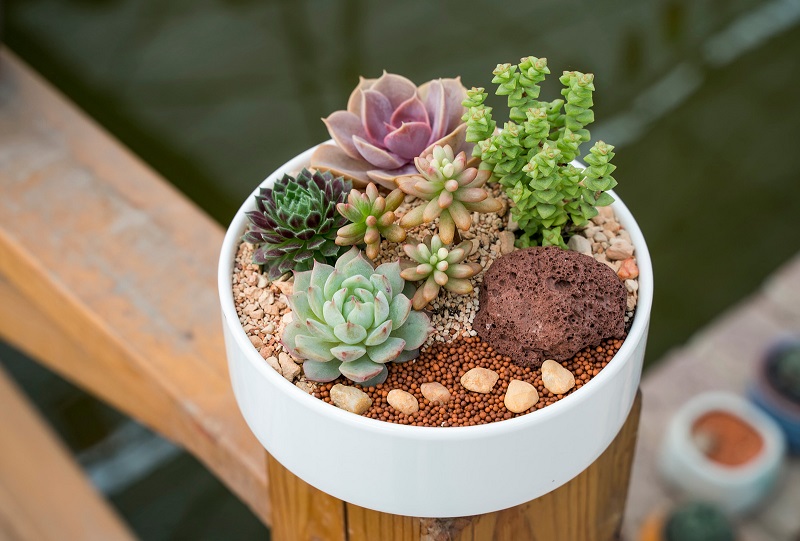
Some Succulents (Various Species)
Succulents are a great choice if you want low‑maintenance greenery. These plants store water in their leaves, which means they do not need much attention from you. They thrive on bright light, infrequent watering, and simple care routines, making them perfect for beginners or anyone who prefers plants that can handle a little neglect.
Not all succulents are pet‑safe, so it is important to research each variety before buying. Jade plants, for example, are toxic to pets. Safe options include echeveria, hens and chicks, and rosette succulents. These varieties come in beautiful shapes and colors, and they add a clean, modern look to your home without any risk to your pets.
Succulents are also incredibly easy to propagate. You can cut off their offshoots and grow new plants from the clippings, which makes them perfect for creating an indoor succulent garden or giving affordable, thoughtful gifts.
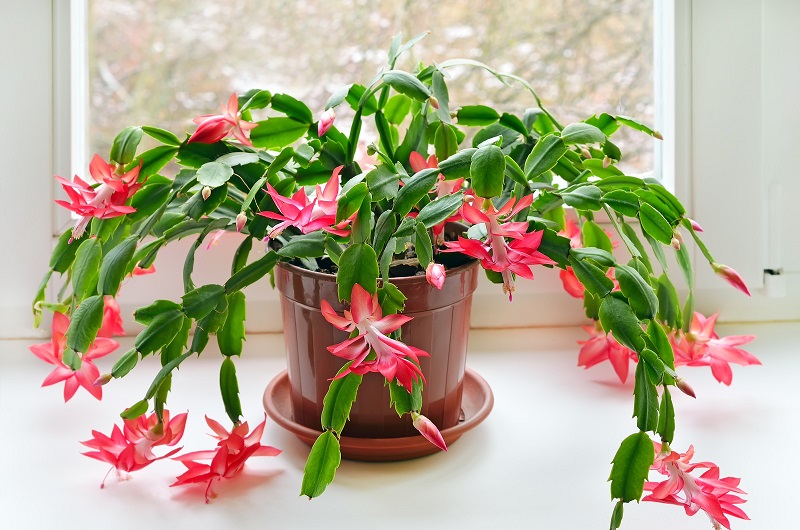
Christmas Cactus (Schlumbergera spp.)
A Christmas cactus isn’t just for the holiday season. This pet‑safe plant makes a lovely houseplant all year long and can reward you with blooms more than once a year when given the right care. Its bright, tubular flowers and soft, arching stems add a cheerful touch to any room, especially during the winter months when indoor color feels extra special.
Christmas cacti prefer bright, indirect light and slightly moist soil. They are much easier to care for than many people expect, and once you learn their simple watering rhythm, they become reliable bloomers. After the holidays, you can often find them at local stores for steep discounts, which makes them an affordable way to add color to your home or start a small collection.
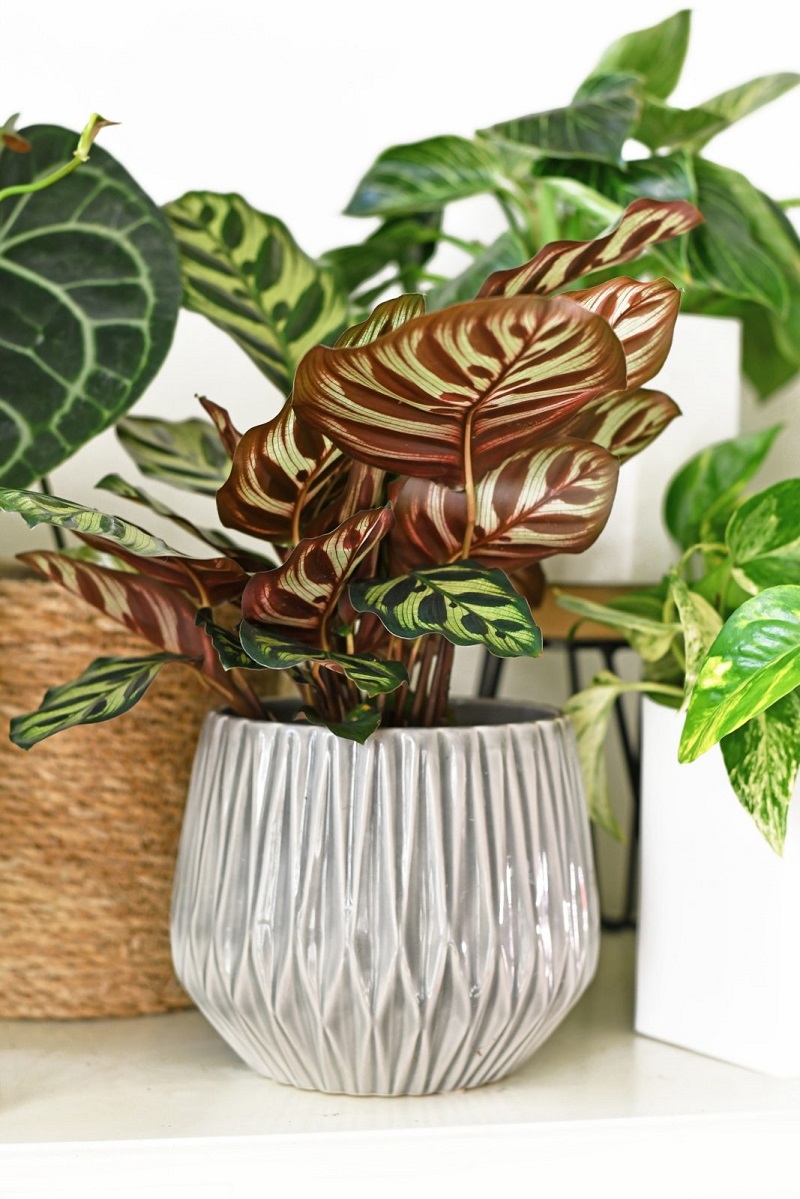
Prayer Plant (Maranta leuconeura)
The prayer plant is known for its beautiful oval leaves that lift themselves into an upright position at night, almost as if the plant is folding its leaves in prayer. This natural movement makes it one of the most charming pet‑safe houseplants you can grow, and its patterned foliage adds a soft, decorative touch to any room.
Prayer plants are easy to care for and do especially well in hanging baskets or decorative pots where their trailing stems can spill over the edges. They prefer bright, indirect light and slightly moist soil, and once you learn their simple watering rhythm, they become a reliable, low‑maintenance part of your home.
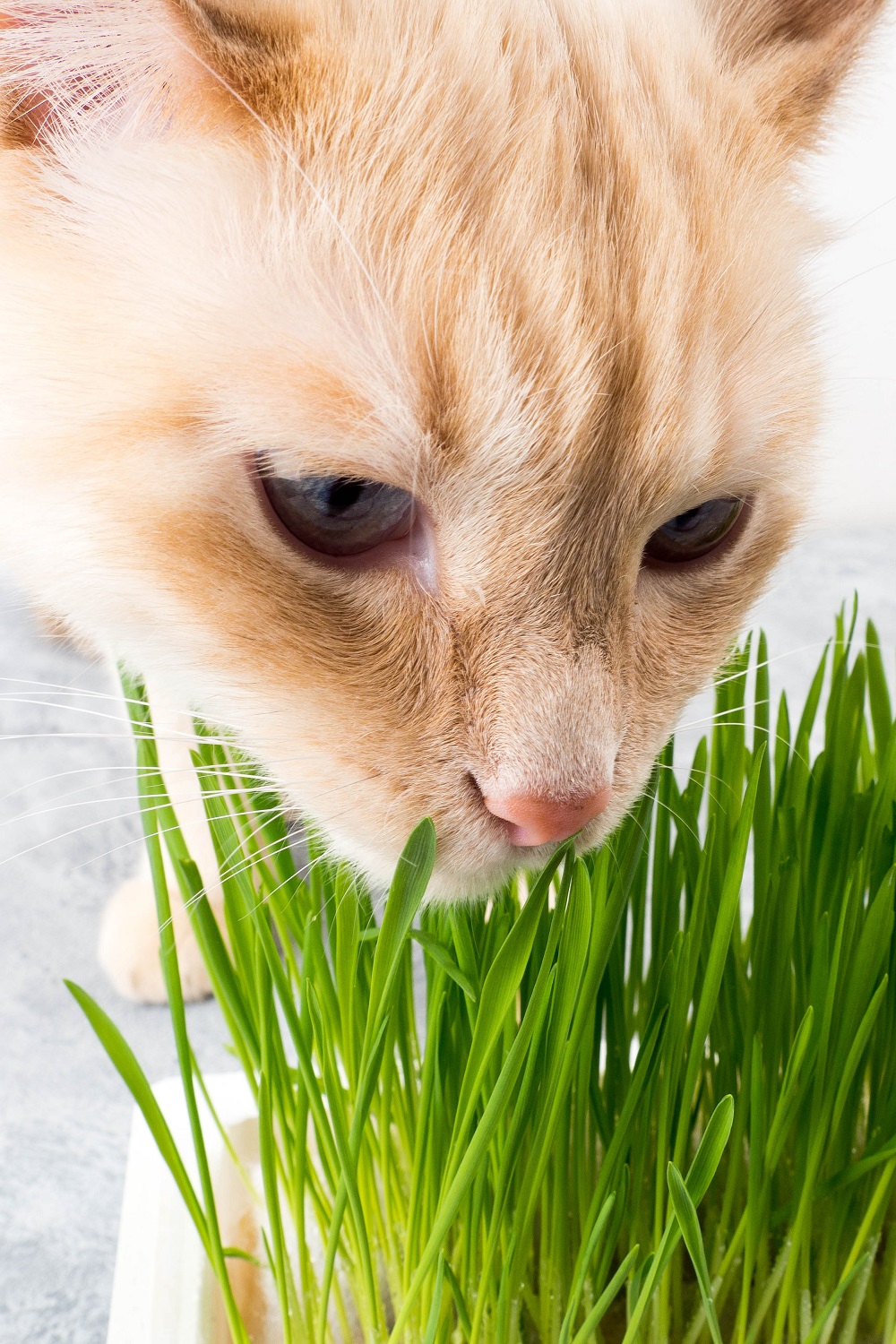
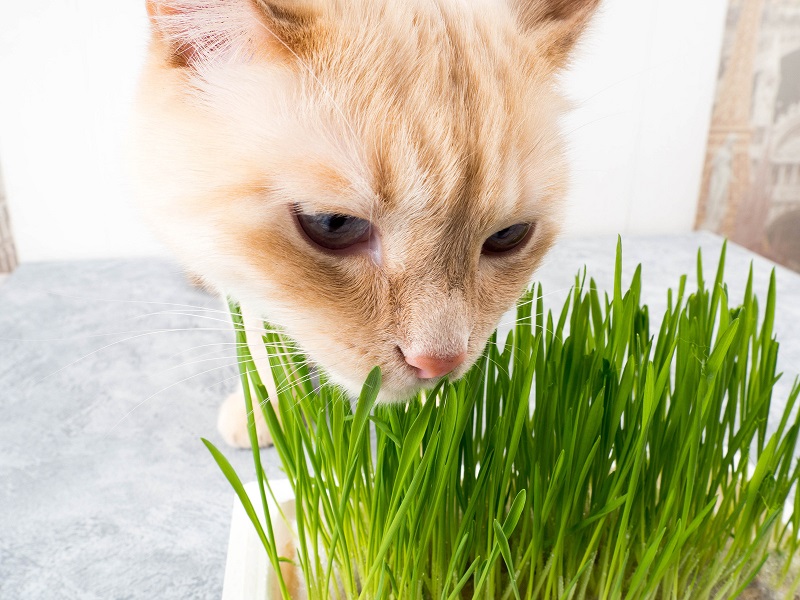
Cat Grass (Pet Grass Mix)
Cat grass is a simple, pet‑friendly plant you can grow specifically for your animals to enjoy. It’s usually grown from wheatgrass, barley, oat, or rye seeds, all of which are safe for pets and packed with nutrients like chlorophyll, fiber, vitamin E, iron, potassium, phosphorus, magnesium, protein, and carotenoids. Many pets love nibbling on it, and it gives them a healthy alternative to chewing on your houseplants.
Cat grass can support digestion, help prevent hairballs, and soothe upset stomachs. It sprouts quickly, stays lush with regular watering, and can be grown in small pots or trays for an easy, affordable way to add greenery to your home.
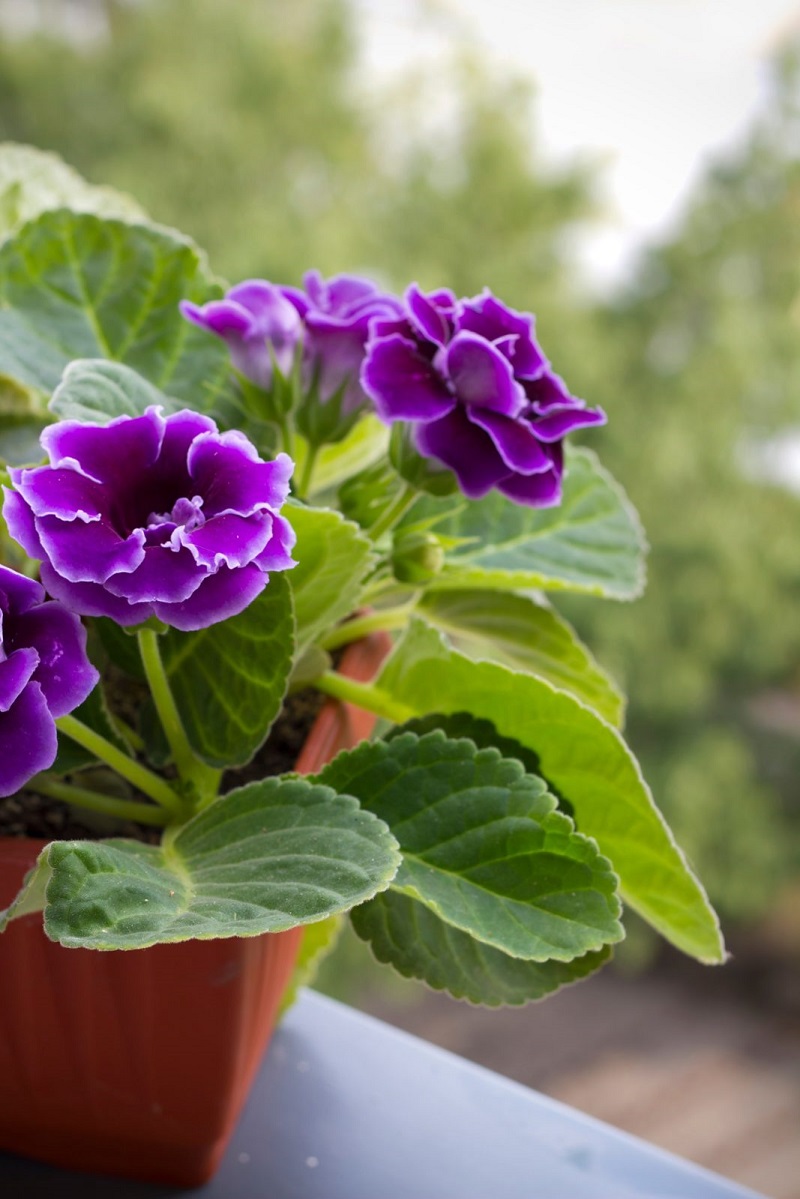
Gloxinia (Sinningia speciosa)
Gloxinia plants are popular gift plants, especially around holidays like Valentine’s Day and Mother’s Day. Their velvety leaves and vibrant, bell‑shaped flowers make them feel special and a little bit luxurious, which is why they often show up in seasonal displays and gift baskets. If you receive one of these plants, you can enjoy it without any worry because gloxinia is safe for homes with dogs and cats.
Gloxinia grows best in bright, indirect light and appreciates consistently moist soil. With gentle care and regular watering, it can produce beautiful blooms that last for weeks. Even though it’s often sold as a holiday plant, it makes a lovely houseplant any time of year.
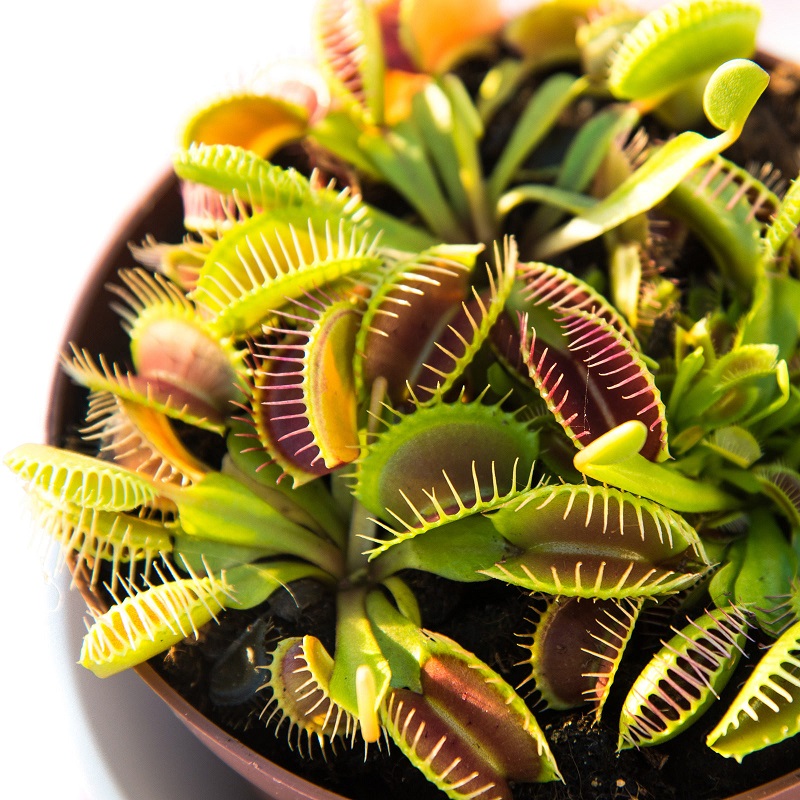
Venus Flytrap (Dionaea muscipula)
Carnivorous plants like the Venus flytrap make a fun and unique houseplant that kids and adults alike are sure to enjoy. Its jaw‑like traps and quick snapping action give it a playful, almost interactive feel, and it’s one of those plants that always sparks curiosity when people see it on a shelf or windowsill.
Venus flytraps grow best in bright light and prefer distilled or rainwater, along with nutrient‑poor soil like sphagnum moss. With the right care, they can thrive indoors and even produce new traps throughout the year. They can also help control small indoor flies, making them both entertaining and surprisingly useful.
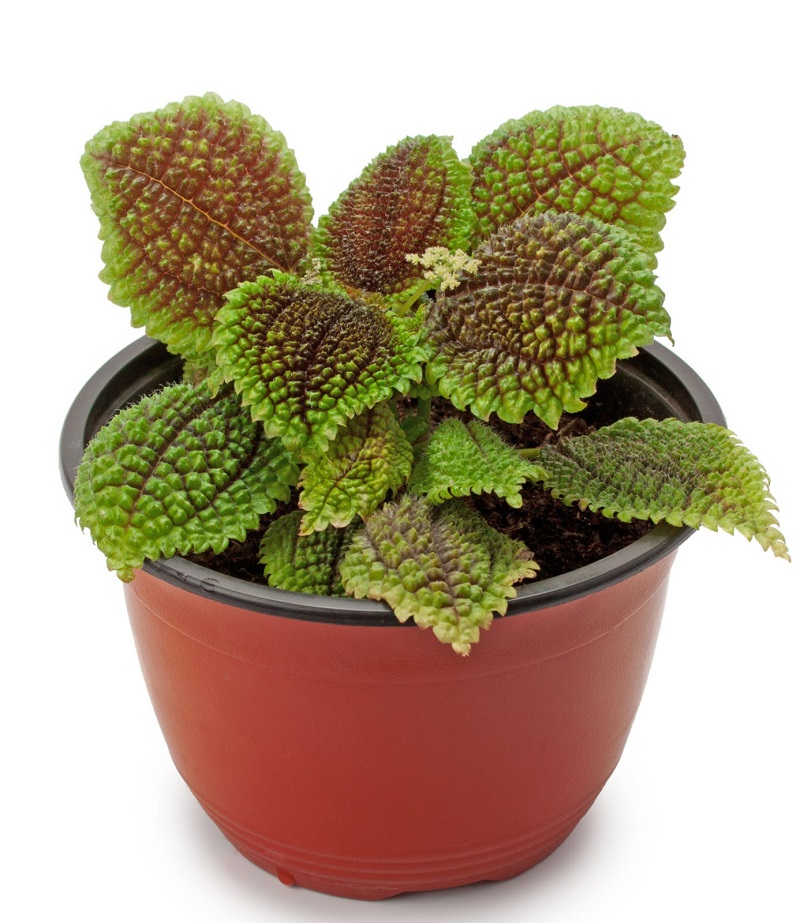
Friendship Plant (Pilea involucrata)
The friendship plant is a soft, trailing houseplant that thrives in high humidity and adds a gentle, textured look to your indoor space. Its quilted leaves and compact growth habit make it especially well suited for terrariums, where the enclosed environment keeps moisture levels just right. Growing it in a terrarium also makes it less likely that curious pets will get a taste, which is a nice bonus for busy households.
With such a friendly name, the friendship plant makes a thoughtful and meaningful gift. It’s easy to care for, grows well in bright, indirect light, and stays lush with regular watering. Whether you keep it in a terrarium or let it trail from a small pot, it’s a charming addition to any home.
Bringing plants into your home doesn’t have to be stressful when you share your space with pets. There are so many beautiful, easy‑care options that add color, texture, and fresh air without posing any risk to curious cats or dogs. Whether you choose a flowering favorite, a tropical statement plant, or something fun and unexpected like a Venus flytrap, each one can help create a calmer, greener environment that feels good to live in.
Exploring pet‑friendly plants is a simple way to brighten your home, support your well‑being, and enjoy the benefits of indoor gardening without worry. Start with one or two that catch your eye, and let your collection grow from there.
Do you keep plants in your home? Share your thoughts, questions, and favorite pet‑safe plants in the comments below.
Discover more natural home inspiration:
7 Simple and Effective DIY Natural Bug Spray Recipes
8 Safe, Natural, and Effective Ways to Whiten Laundry


View the Comments
Add a Comment
Comments will load here